La Mer Crème de la Mer Review: Is This $380 Cream Worth It? (2026)
A $380 moisturizer. That’s where most people stop reading. But Crème de la Mer has maintained cult status for over 25 years, and beauty editors still swear by it. So we spent three months testing it daily to find out whether the legend holds up — or if you’re paying for packaging and a good story.
Quick Verdict: The TL;DR
Crème de la Mer is an excellent moisturizer with a luxurious texture and legitimate barrier-strengthening benefits, thanks to its fermented sea kelp complex. But at $380 for 2 ounces, it’s dramatically overpriced relative to its ingredient list. The formula relies on basic emollients (mineral oil, petrolatum) alongside the proprietary Miracle Broth™, and there’s no independent clinical evidence proving it outperforms far less expensive alternatives.
Rating: 4.0 out of 5 — Great product, questionable value.
Best for: Dry, mature, or sensitive skin types who want a luxurious experience and have the budget. Not worth it if you’re looking for cutting-edge anti-aging actives — for that, see our best luxury anti-aging serums guide.
About Crème de la Mer: The Legend Behind the Cream
The Crème de la Mer origin story is practically folklore in beauty circles. In the 1960s, Dr. Max Huber, a NASA aerospace physicist, suffered severe chemical burns in a lab accident. Dissatisfied with conventional treatments, he spent 12 years and 6,000 experiments developing a healing cream from fermented sea kelp.
The key innovation was a 3–4 month fermentation process where sea kelp is combined with vitamins, citrus oil, eucalyptus oil, and other ingredients, processed with light and sound. The result, dubbed “Miracle Broth™,” became the foundation of Crème de la Mer.
Estée Lauder Companies acquired the brand in 1995, two years before Huber’s death, and transformed it into the luxury beauty juggernaut it is today. Whether the story is fully accurate or partly marketing mythology, the fermentation process is real — and fermentation does produce bioactive compounds that can benefit skin.
For more context on how La Mer fits into the luxury skincare landscape, check our La Mer vs Augustinus Bader comparison.
Ingredient Analysis: What’s Actually Inside?
Miracle Broth™ — Sea Kelp Ferment
The star ingredient. Sea kelp (specifically Macrocystis pyrifera, giant brown kelp) is rich in vitamins, minerals, amino acids, and polysaccharides. The fermentation process breaks these down into smaller, potentially more bioavailable molecules.
What does the science say? Fermented kelp extracts do have documented benefits: they contain fucoidan (an anti-inflammatory polysaccharide), alginate (a moisturizer), and antioxidants. A 2018 study in Marine Drugs confirmed that fermented seaweed extracts improved skin hydration and reduced markers of inflammation.
However, Miracle Broth™ is listed on the ingredient deck as “Algae (Seaweed) Ferment” — and it appears as the first ingredient, meaning it’s the most abundant by volume. The concentration of the active fermented compounds within that extract is proprietary, so we can’t independently verify potency.
Supporting Ingredients
Here’s where the criticism often lands. The full ingredient list includes:
- Mineral Oil (Paraffinum Liquidum): An effective occlusive moisturizer that prevents water loss. It’s cosmetically elegant and non-irritating, but it’s also one of the cheapest moisturizing ingredients available — about $0.50 per pound in bulk.
- Petrolatum: Another powerful occlusive. Excellent for barrier repair but, again, inexpensive.
- Glycerin: A humectant that draws moisture into the skin. Standard, effective, cheap.
- Sesame Oil: An emollient with antioxidant properties. Contains linoleic acid, which benefits barrier function.
- Eucalyptus Oil + Citrus Oil: Provide the cream’s signature scent. These are potential irritants for sensitive skin — a notable concern given the price point.
- Vitamin E (Tocopheryl Acetate): An antioxidant that supports barrier function and extends shelf life.
- Caffeine: Mildly vasoconstrictive; may reduce puffiness.
- Magnesium, Calcium, Zinc: Trace minerals from the kelp that support skin function.
What the Science Says
The honest assessment: Crème de la Mer is a well-formulated occlusive moisturizer with added fermented sea kelp. The base formula is similar to many drugstore barrier creams — mineral oil, petrolatum, glycerin — with the Miracle Broth as the differentiator.
There are no published clinical trials specifically on Crème de la Mer. The brand’s claims rely on internal testing and the anecdotal experiences of devoted users. This doesn’t mean the product doesn’t work — the moisturizing benefits are real and immediate — but it does mean you’re paying a significant premium for a proprietary ingredient with limited independent verification.
Texture & Application Experience
How to Activate the Cream (Warming Technique)
Crème de la Mer has a unique texture that requires a specific application method. The cream is dense and somewhat grainy in the jar. The brand instructs you to:
- Scoop a small amount (about the size of a pea) onto your fingertips.
- Rub gently between your fingers for 10–15 seconds until the cream transforms from opaque and grainy to translucent and smooth.
- Press — don’t rub — onto your face and neck.
This “warming” technique isn’t just ritual. The cream is formulated with a specific melting point that’s close to body temperature. Warming it between your fingers genuinely changes the texture, making it spread more easily and absorb better. Skipping this step leaves a heavy, waxy film.
Is this necessary? Other creams don’t require it, and some critics see it as theater. But after three months, the technique becomes second nature and takes about 15 seconds — not a real inconvenience.
Crème vs. Soft Cream vs. Gel Cream — Which to Choose?
La Mer offers three main moisturizer textures. Here’s how they compare:
| Texture | Consistency | Best For | Price (2 oz) |
|---|---|---|---|
| Crème (original) | Dense, rich, requires warming | Very dry skin, cold climates, nighttime use | $380 |
| Soft Cream | Whipped, lighter, spreads easily | Normal to dry skin, daytime use, warmer climates | $380 |
| Gel Cream | Lightweight gel, fast-absorbing | Combination to oily skin, humid climates | $380 |
Our recommendation: If you’re trying La Mer for the first time, start with the Soft Cream. It delivers the same Miracle Broth benefits in a more forgiving texture that works for a wider range of skin types. The original Crème is best for genuinely dry skin or those in harsh climates — it’s heavy and can feel suffocating on normal or combination skin.
My 3-Month Experience: Before & After
Week 1–2: First Impressions
The first thing you notice is the texture. The original Crème is unlike any other moisturizer — dense, almost like a balm, with a faint herbal-citrus scent from the eucalyptus and citrus oils. After warming it between my fingers, it transforms into a silky, almost oil-like consistency that presses beautifully into the skin.
The immediate effect is undeniable: skin looks plump, dewy, and calm. The occlusive base creates a noticeable “glass skin” effect that lasts through the night. By morning, my skin felt soft and hydrated without the tightness I sometimes get from lighter moisturizers.
However, I experienced minor clogging around my T-zone in the first week. The heavy mineral oil and petrolatum base can be comedogenic for some. Adjusting to a smaller amount (truly just a pea-sized scoop) resolved this by week two.
Month 1: Visible Changes
By the four-week mark, the most notable change was in skin texture and barrier health. My skin felt noticeably more resilient — less reactive to weather changes, less flaky around the nose and chin, and generally smoother.
Did I see wrinkle reduction? Not significantly. At 34, my fine lines (mostly around the eyes and forehead) looked slightly softened, likely from the plumping effect of improved hydration rather than actual structural change. This aligns with the ingredient analysis: Crème de la Mer is an outstanding moisturizer, not an active anti-aging treatment.
If your primary concern is anti-aging rather than moisturizing, you’d be better served by a product with proven actives. See our peptides in skincare explained guide for alternatives that specifically target collagen production.
Month 3: Long-Term Results
Three months in, the results plateaued. The barrier-strengthening and hydration benefits remained consistent — my skin was simply in better condition overall. But I didn’t see progressive improvement beyond what was achieved in the first month.
The cream excels at maintaining skin in good condition. It’s a “keep what you have” product rather than a “transform your skin” product. For someone with dry, sensitive, or compromised skin, that maintenance function may be worth the price. For someone looking for corrective anti-aging results, the value proposition is weaker.
One genuine benefit I noticed: Crème de la Mer is exceptional for recovering from skin stress. After a long flight, a sun exposure day, or an aggressive retinol night, a layer of this cream calmed redness and restored comfort faster than anything else in my routine.
Pros & Cons
Pros:
– Exceptional moisturizing and barrier-strengthening
– Unique, luxurious texture and application ritual
– Calms redness and irritation quickly
– Excellent for dry, sensitive, or compromised skin
– A little goes a long way (2 oz lasts 4–6 months)
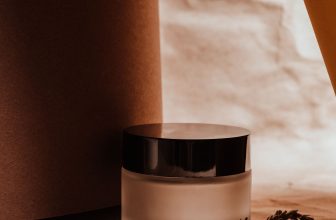
– Elegant packaging with a magnetic closure
Cons:
– Very expensive ($380 for 2 oz)
– Contains potential irritants (fragrance oils, eucalyptus)
– No independent clinical evidence for anti-aging claims
– Base formula relies on inexpensive ingredients (mineral oil, petrolatum)
– Not suitable for oily or acne-prone skin
– Jar packaging exposes ingredients to light and air (less ideal for antioxidants)
Who Should Buy Crème de la Mer?
This cream is worth considering if:
– You have dry, very dry, or sensitive skin that struggles with barrier function
– You’ve tried cheaper alternatives and they haven’t worked for you
– You live in a harsh climate and need serious moisture protection
– You want a luxurious skincare experience and have the budget
– You’re recovering from procedures and need gentle, occlusive care
Skip it if:
– You have oily, combination, or acne-prone skin
– Your primary concern is anti-aging (look for retinol, peptides, or vitamin C instead)
– You’re sensitive to fragrance or essential oils
– You’re on a budget — there are excellent alternatives for a fraction of the cost
La Mer Alternatives at Lower Price Points
If the price gives you pause (and it should), here are alternatives that deliver similar benefits:
1. Weleda Skin Food ($20)
A cult-classic ultra-rich cream with a similar heavy, occlusive texture. Contains plant oils, beeswax, and pansy extract. Not as cosmetically elegant, but an outstanding barrier cream at 1/19th the price.
2. CeraVe Moisturizing Cream ($18)
Contains ceramides, hyaluronic acid, and glycerin in a petrolatum base. Dermatologist-recommended for barrier repair, fragrance-free, and non-comedogenic. It won’t give you the La Mer experience, but it will give you comparable moisturizing results.
3. Augustinus Bader The Rich Cream ($280)
Still expensive, but $100 less than La Mer. Contains TFC8® (a complex of amino acids, peptides, and vitamins) with more sophisticated anti-aging technology. If you’re going to spend luxury money, this offers better ingredient innovation. See our full La Mer vs Augustinus Bader comparison.
4. Dr. Jart+ Ceramidin Cream ($52)
A Korean beauty favorite with a ceramide complex, hyaluronic acid, and botanical oils. Excellent barrier repair with a texture that’s rich but not as heavy as La Mer. A great middle-ground option.
FAQ: Common Questions About Crème de la Mer
Does Crème de la Mer really work?
Yes, as a moisturizer. The occlusive base (mineral oil, petrolatum, glycerin) effectively seals in moisture, and the fermented sea kelp provides anti-inflammatory benefits. You’ll see immediate improvement in hydration and skin texture. However, “working” depends on your expectations — it’s not a corrective anti-aging treatment. There are no peptides, retinol, or vitamin C in the formula.
Why is Crème de la Mer so expensive?
The price reflects three factors: the proprietary 3–4 month fermentation process for Miracle Broth™, luxury branding and packaging, and what the market will bear. The base ingredients (mineral oil, petrolatum) are inexpensive. You’re paying primarily for the brand, the fermented kelp complex, and the luxury experience. Whether that’s worth $380 is a personal decision.
Can I use Crème de la Mer every day?
Yes. It’s designed for daily use, morning and/or evening. For most skin types, once daily (evening) is sufficient given the rich texture. If you have very dry skin, you can use it twice daily. Just be aware of potential clogging if you’re prone to breakouts.
What’s the difference between Crème, Soft Cream, and Gel Cream?
The original Crème is the densest formula, requiring the warming technique, and is best for very dry skin. Soft Cream is a lighter, pre-whipped version for normal to dry skin. Gel Cream is the lightest, designed for combination to oily skin. All contain the same concentration of Miracle Broth™ — the difference is the texture and moisturizing intensity.
Does Crème de la Mer expire?
Yes. The shelf life is approximately 30 months unopened (marked by the PAO symbol on the jar). Once opened, it’s best used within 12 months. The jar packaging exposes the formula to air and light, which can degrade some ingredients over time — another reason the airless pump alternatives from other brands have a formulation advantage.
Final Verdict: Worth the Investment?
Crème de la Mer is a genuinely good moisturizer trapped in an eye-watering price tag. The Miracle Broth is a real ingredient with real benefits, and the texture and experience are unmatched in the luxury space. If money is no object and you have dry or sensitive skin, it’s a pleasure to use and will keep your skin in excellent condition.
But if you’re evaluating it strictly on ingredient quality and results per dollar, it’s hard to justify. You can get 80–90% of the moisturizing benefit from a $20–$50 cream, and you can get better anti-aging results from products that cost less and contain proven actives like retinol, peptides, or vitamin C.
The honest truth: Crème de la Mer is a luxury product, not a necessity. Buy it if you want the experience, the ritual, and the brand. Don’t buy it expecting it to outperform a well-formulated $50 cream — because from a purely functional standpoint, it won’t.
For alternatives that deliver better value or more advanced anti-aging technology, browse our best luxury anti-aging serums or learn more about peptides in skincare for ingredients that actively rebuild collagen rather than simply sealing in moisture.
Rating: 4.0 / 5
– Texture & Experience: 5/5
– Moisturizing Performance: 4.5/5
– Anti-Aging Efficacy: 2.5/5
– Ingredient Innovation: 3/5
– Value for Money: 2/5