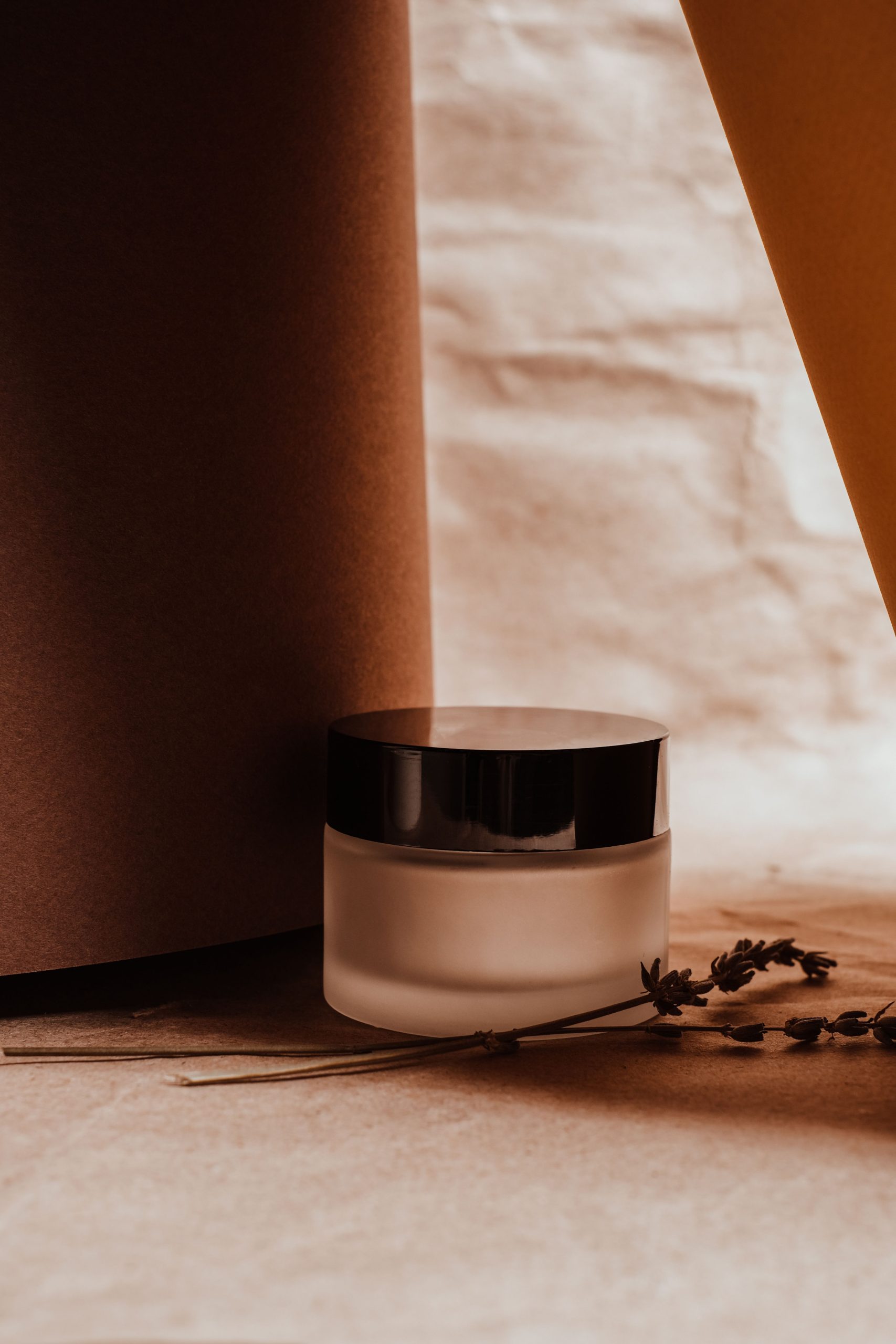
La Mer vs Augustinus Bader: Which Luxury Cream Is Worth Your Money?
Two of the most talked-about luxury moisturizers in the world sit at the top of the skincare conversation — and they couldn’t be more different. La Mer, the sixty-year-old marine-inspired icon, has a devoted celebrity following and a price tag that makes most people gasp. Augustinus Bader, the relative newcomer founded by a stem-cell biologist, has racked up industry awards and a cult following that swears the cream actually delivers on its promises.
If you’re staring at a shelf trying to decide between a jar of Crème de la Mer and The Rich Cream from Augustinus Bader, you’re not alone. The choice isn’t obvious, and at these prices, you want to get it right. This guide breaks down everything that matters — the science, the texture, the clinical data, the cost per ounce, and which cream actually works better for your specific skin type.
Quick Comparison Table
| Feature | La Mer Crème de la Mer | Augustinus Bader The Rich Cream |
|---|---|---|
| Price (2 oz) | ~$390 | ~$185 |
| Price per ounce | ~$195/oz | ~$92/oz |
| Hero ingredient | Miracle Broth™ (sea kelp ferment) | TFC8® (Trigger Factor Complex) |
| Texture | Rich, dense, requires warming | Lightweight, fast-absorbing |
| Best for | Dry, mature, sensitive skin | All skin types, aging prevention |
| Clinical data | 12-week moisturization studies | 4-week visible improvement studies |
| Fragrance | Contains added fragrance | Fragrance-free |
| Key awards | Celebrity cult classic | Vogue Beauty Award, multiple industry wins |
| Ideal age range | 35+ | 25+ |
Brand Background: Heritage vs Disruptor
La Mer — 60 Years of Marine Mystery
La Mer’s origin story is practically folklore in the beauty world. Aerospace physicist Dr. Max Huber suffered chemical burns in a lab accident and spent twelve years — and over 6,000 experiments — developing a ferment from sea kelp to heal his skin. The result, launched in 1965, became Miracle Broth, the backbone of every La Mer product since.
Whether the story is embellished or not, the brand built an empire on it. La Mer is now owned by Estée Lauder Companies and occupies the absolute top tier of department-store beauty. The packaging feels luxurious, the scent is instantly recognizable, and the ritual of warming the cream between your fingers before pressing it into the skin is something devotees treat almost like meditation.
Augustinus Bader — Science-Forward Innovation
Augustinus Bader doesn’t have a sixty-year legacy. What it has is a founder with serious scientific credentials. Professor Augustinus Bader is a stem-cell biologist and wound-healing expert at the University of Leipzig who spent three decades researching how the body regenerates its own skin. His TFC8 technology — a complex of natural amino acids, vitamins, and synthesized molecules — was originally developed for severe burn patients before being adapted into a consumer skincare line.
Launched in 2018 in partnership with entrepreneur Charles Rosier, the brand disrupted the luxury market almost overnight. The Rich Cream won awards from every major beauty publication within its first year, and the brand has expanded into lightweight formulas, eye creams, cleansers, and body products. The pitch is simple: instead of feeding your skin a list of trendy actives, TFC8 tells your skin to heal itself.
Core Technology: Miracle Broth™ vs TFC8®
How Miracle Broth Works (Sea Kelp Fermentation)
Miracle Broth is created by fermenting sea kelp — specifically a type of giant kelp harvested off the California coast — with a blend of minerals, vitamins, and oils including calcium, magnesium, potassium, and vitamins C, E, and B12. The fermentation process, which takes three to four months, is said to break down the kelp’s nutrients into bioavailable compounds that skin can actually absorb.
The final ingredient list also includes caffeine, sunflower seed oil, eucalyptus oil, and sesame oil, along with the brand’s signature fragrance. Independent analysis suggests the moisturizing effect comes primarily from the oil base and the anti-inflammatory properties of the fermented kelp, though La Mer keeps the exact fermentation process proprietary.
How TFC8 Works (Trigger Factor Complex)
TFC8 — Trigger Factor Complex 8 — is a patented blend of natural amino acids, high-quality vitamins, and synthesized molecules. The concept is rooted in Professor Bader’s research into how stem cells receive signals to proliferate and differentiate. Rather than delivering a single hero ingredient, TFC8 is designed to create an environment where your skin’s own repair mechanisms activate.
The Rich Cream’s base includes argan oil, avocado oil, and pomegranate seed oil — all rich in essential fatty acids — alongside jojoba and sweet almond oil. The formula is clean by most standards: free of parabens, fragrance, mineral oil, and phthalates. The idea is that the oils provide the moisture barrier while TFC8 does the regenerative heavy lifting underneath.
What Clinical Studies Show
This is where the comparison gets interesting, because the two brands present very different types of evidence.
La Mer points to a 12-week clinical study in which participants showed measurable improvement in skin moisture, firmness, and the appearance of fine lines. The brand also cites self-assessment surveys where over 90% of users reported softer, smoother skin. However, independent dermatologists have noted that these results — increased moisturization and improved texture — are achievable with far less expensive moisturizers that use similar oil-based occlusive formulations. The data supports the cream as an effective moisturizer but doesn’t isolate the effect of Miracle Broth specifically.
Augustinus Bader has conducted multiple clinical studies, including a 4-week trial where 78% of participants showed visible improvement in skin firmness, 90% showed improved hydration, and 70% reported reduced appearance of fine lines. A 12-week follow-up study showed continued improvement. Critics point out that the brand funds its own studies, but the results are generally consistent with what independent reviewers report. The regenerative angle — improved skin texture, reduced redness, better barrier function — aligns with the wound-healing science behind TFC8.
The honest takeaway: both creams moisturize well. Augustinus Bader’s data is more focused on regeneration and anti-aging outcomes; La Mer’s data centers on hydration and comfort. Neither has the kind of large-scale independent comparative trial that would definitively crown a winner.
Texture & Sensory Experience
La Mer’s Rich, Ritualistic Application
Crème de la Mer is dense. If you scoop it straight from the jar and try to spread it, it will sit on your skin in a thick layer that takes ages to absorb. The brand instructs users to warm a small amount between fingertips until it becomes transparent, then press — not rub — it into the skin.
This ritual is part of the appeal for many users. The warming process takes about thirty seconds, the cream transforms from opaque to translucent, and the pressing motion feels deliberate and luxurious. The cream itself has a distinctive scent — a blend of citrus, herbs, and the brand’s signature fragrance — that most people either love or find cloying. The finish leaves skin dewy, slightly tacky at first, then soft and supple within minutes.
For dry and mature skin, especially in cold or low-humidity climates, this texture is a feature, not a bug. It creates a genuine occlusive barrier that prevents moisture loss for hours.
Augustinus Bader’s Lightweight, Fast-Absorbing Formula
The Rich Cream is misnamed for anyone expecting a traditional rich moisturizer. It has a whipped, almost gel-cream texture that spreads effortlessly and absorbs within seconds. There’s no warming required, no pressing technique, no learning curve. You apply it like any moisturizer and it disappears.
The formula is fragrance-free, which means you smell the natural scent of the oils — light, nutty, slightly botanical — but nothing artificial. The finish is smooth and satin, not dewy or greasy. For people who hate heavy creams or who live in humid climates, this texture is a major selling point.
Augustinus Bader also offers The Light Cream, an even lighter gel version formulated for oily and combination skin, which gives the brand a texture advantage La Mer can’t match.
Price & Value Comparison
Cost Per Ounce
Let’s be direct about the numbers, because at this price point, value matters.
- La Mer Crème de la Mer (2 oz): ~$390 → ~$195 per ounce
- La Mer Crème de la Mer (1 oz): ~$215 → ~$215 per ounce
- Augustinus Bader The Rich Cream (1.7 oz): ~$185 → ~$109 per ounce
- Augustinus Bader The Rich Cream (50 mL): ~$170 → ~$100 per ounce
Augustinus Bader is roughly half the price per ounce. Even comparing the largest sizes, La Mer remains significantly more expensive. For a full face application twice daily, a 2 oz jar of La Mer lasts most users about two to three months, while a 1.7 oz bottle of Augustinus Bader lasts roughly the same period because the lighter texture means you use less per application.
How Long Each Jar Lasts
Most users report that a standard jar of Crème de la Mer lasts 2–3 months with twice-daily use. The dense formula means you need a decent amount per application — roughly a pea-sized scoop for face and neck. The Rich Cream, because it spreads so easily, often lasts 3–4 months with the same usage pattern, as a tiny amount covers the full face.
Which Offers Better ROI?
This depends entirely on what you’re measuring. If you’re measuring pure moisturization per dollar, both lose to a $20 ceramide cream. If you’re measuring luxury experience, La Mer delivers more of that — the heavier texture, the ritual, the scent, the brand prestige.
If you’re measuring anti-aging and skin-regeneration results relative to price, Augustinus Bader offers better ROI. Its clinical data shows regenerative outcomes at roughly half the cost per ounce, and the formula’s clean-ingredient profile appeals to consumers who care about what they’re putting on their skin long-term.
For anyone budget-conscious but still wanting a premium cream, Augustinus Bader is the clear value play. For anyone who treats their skincare routine as a self-care ritual and wants the most luxurious experience money can buy, La Mer justifies its premium for that experience alone.
Best for Different Skin Types & Concerns
Dry & Mature Skin
Winner: La Mer
If your skin is genuinely dry — not just dehydrated, but lacking in oil — La Mer’s dense, occlusive formula is hard to beat. The oil base creates a protective barrier that prevents transepidermal water loss, and the fermented kelp’s anti-inflammatory properties help calm the redness and irritation that often accompany chronic dryness. For women and men over 50 dealing with thinning, crepey skin, the rich texture also provides an immediate plumping effect that lighter creams can’t replicate.
Augustinus Bader’s Rich Cream works for dry skin too, but some users with very dry skin find they need to layer it over a hydrating serum or facial oil, especially in winter.
Oily & Combination Skin
Winner: Augustinus Bader
La Mer is simply too heavy for most oily and combination skin types. It can clog pores and leave a greasy film that makes makeup application difficult. Even La Mer’s lighter Gel Cream version, while better, still contains the same oil base.
Augustinus Bader’s The Light Cream is specifically formulated for oily and combination skin. The gel texture absorbs instantly, provides hydration without excess oil, and the TFC8 technology still delivers the regenerative benefits. If you’re prone to breakouts but want a luxury anti-aging cream, this is one of the few premium options that won’t aggravate acne.
Sensitive & Reactive Skin
Winner: Augustinus Bader (with a caveat)
La Mer contains added fragrance, eucalyptus oil, and other potential irritants. Many people with sensitive skin love it, but a meaningful percentage report stinging, redness, or allergic reactions — particularly those with fragrance sensitivities or eczema.
Augustinus Bader is fragrance-free and formulated with a shorter, cleaner ingredient list, making it the safer bet for reactive skin. The caveat: the formula contains a range of botanical oils, so if you have specific allergies to argan, avocado, or sesame oil, patch-test carefully.
Acne-Prone Skin
Winner: Augustinus Bader (The Light Cream)
Neither cream is formulated for acne treatment, but for acne-prone skin that also wants anti-aging benefits, Augustinus Bader’s Light Cream is the better choice. It’s non-comedogenic, lightweight, and won’t trap oil or bacteria against the skin. La Mer’s heavy oil base is a pore-clogging risk for anyone with active breakouts or a history of congestion.
Can You Use Both Together?
Yes, and some skincare enthusiasts do. Here’s how to layer them effectively:
Morning: Apply Augustinus Bader The Rich Cream or The Light Cream after cleansing and serum. Its fast absorption and lightweight finish make it ideal for daytime use under makeup or sunscreen.
Evening: Apply La Mer Crème de la Mer as your nighttime moisturizer. The rich texture creates an occlusive barrier that locks in whatever serums or treatments you’ve applied underneath, and the ritual of warming and pressing the cream is a relaxing way to end the day.
If you’re using both, be mindful of total active ingredient load. Neither cream contains strong acids or retinoids, so layering is generally safe, but if you’re also using a retinol or exfoliating serum, watch for signs of over-processing.
A more cost-effective approach many dermatologists recommend: use Augustinus Bader as your daily moisturizer and reserve La Mer for winter months or travel to cold, dry climates when your skin needs extra protection.
For a deeper dive into La Mer specifically, check out our in-depth La Mer Crème de la Mer review.
What Real Users Say
Aggregating reviews across retailer sites, beauty forums, and social media reveals consistent patterns:
La Mer praise: Long-time users describe skin that looks “glassy,” “plump,” and “calm” after months of use. Many credit the cream with helping them through chemotherapy-induced dryness, menopausal skin changes, and harsh winter climates. The ritual aspect gets mentioned constantly — people find the application process itself soothing.
La Mer complaints: The price, obviously. A significant number of users report breakouts, particularly around the chin and jawline, when using the classic Crème formula. Fragrance sensitivity is the other common complaint.
Augustinus Bader praise: Users frequently mention visible improvement in skin texture within two to three weeks — smoother, more even, less red. The lightweight texture wins universal praise. Many users who switched from La Mer report equal or better results at a lower price.
Augustinus Bader complaints: Some users with very dry skin find it insufficient on its own in winter. A minority report no visible difference after extended use, suggesting TFC8 may work better for some skin types than others. The pump dispenser, while hygienic, makes it hard to get the last bit of product out.
For more context on how these creams fit into a broader routine, see our guide to the best luxury anti-aging serums.
Final Verdict: La Mer or Augustinus Bader?
There’s no universal winner here — but there is a clear recommendation framework based on what you’re looking for.
Choose La Mer if:
– You have dry, mature, or compromised skin that needs serious moisture barrier support
– You value the sensory experience and ritual of skincare
– You want a brand with six decades of history and prestige
– You’re treating skincare as self-care, not just function
Choose Augustinus Bader if:
– You want science-backed regeneration at a (relatively) more accessible price
– You have oily, combination, sensitive, or acne-prone skin
– You prefer clean, fragrance-free formulas
– You want a cream that absorbs instantly and works under makeup
– You’re focused on long-term anti-aging, not just hydration
Choose both if:
– You have the budget and want the best of both worlds — Augustinus Bader for day, La Mer for night
– Your skin type changes seasonally and you want options
If forced to pick one for the average reader: Augustinus Bader The Rich Cream offers better value, broader skin-type compatibility, and clinical data focused on the regenerative outcomes most luxury skincare buyers actually want. La Mer remains the gold standard for dry, mature skin and for those who view their skincare routine as an experience worth paying for.
For a different angle on luxury skincare science, our guide to peptides in skincare explained covers another category worth exploring.
Related reading:
– La Mer vs Augustinus Bader comparison — this article
– Complete vitamin C serum buying guide — for layering with either cream
FAQ
Is La Mer worth the money?
For dry, mature skin that responds well to rich, occlusive moisturizers, La Mer delivers results that justify the price for many users. For oily or acne-prone skin, or for those seeking pure anti-aging efficacy per dollar, there are better options — including Augustinus Bader at roughly half the cost.
Does Augustinus Bader really work?
Clinical studies and widespread user reviews suggest TFC8 does improve skin texture, firmness, and hydration for most users. Results are typically visible within 2–4 weeks. A minority of users see minimal results, which may reflect individual variation in how skin responds to the formula.
Can I use La Mer and Augustinus Bader together?
Yes. A common approach is Augustinus Bader in the morning (lightweight, fast-absorbing) and La Mer at night (rich, occlusive). This gives you the regenerative benefits of TFC8 during the day and the moisture-barrier protection of Miracle Broth overnight.
Which is better for wrinkles?
Both creams show improvement in fine lines in clinical studies. Augustinus Bader’s data focuses more directly on wrinkle reduction and skin regeneration, while La Mer’s data emphasizes plumping through hydration. For deeper wrinkles, pairing either cream with a retinoid or peptide serum will deliver better results than either cream alone. See our peptides in skincare explained guide for more on that.
How long does a jar of La Mer last?
A 2 oz jar used twice daily typically lasts 2–3 months. A 1 oz jar lasts about 4–6 weeks with the same usage.
Is Augustinus Bader fragrance-free?
Yes. All Augustinus Bader creams are formulated without added fragrance. The natural scent comes from the botanical oils in the formula.
Which cream is better for sensitive skin?
Augustinus Bader is generally better tolerated by sensitive skin due to its fragrance-free, clean formula. La Mer contains added fragrance and essential oils that can irritate reactive skin, though many sensitive-skin users still love it.